
Finding polite ways to say “do not disturb” at work is essential for maintaining productivity while preserving professional relationships. Whether you’re in the middle of focused tasks or important meetings, there are several tactful phrases and methods to communicate your need for uninterrupted time.
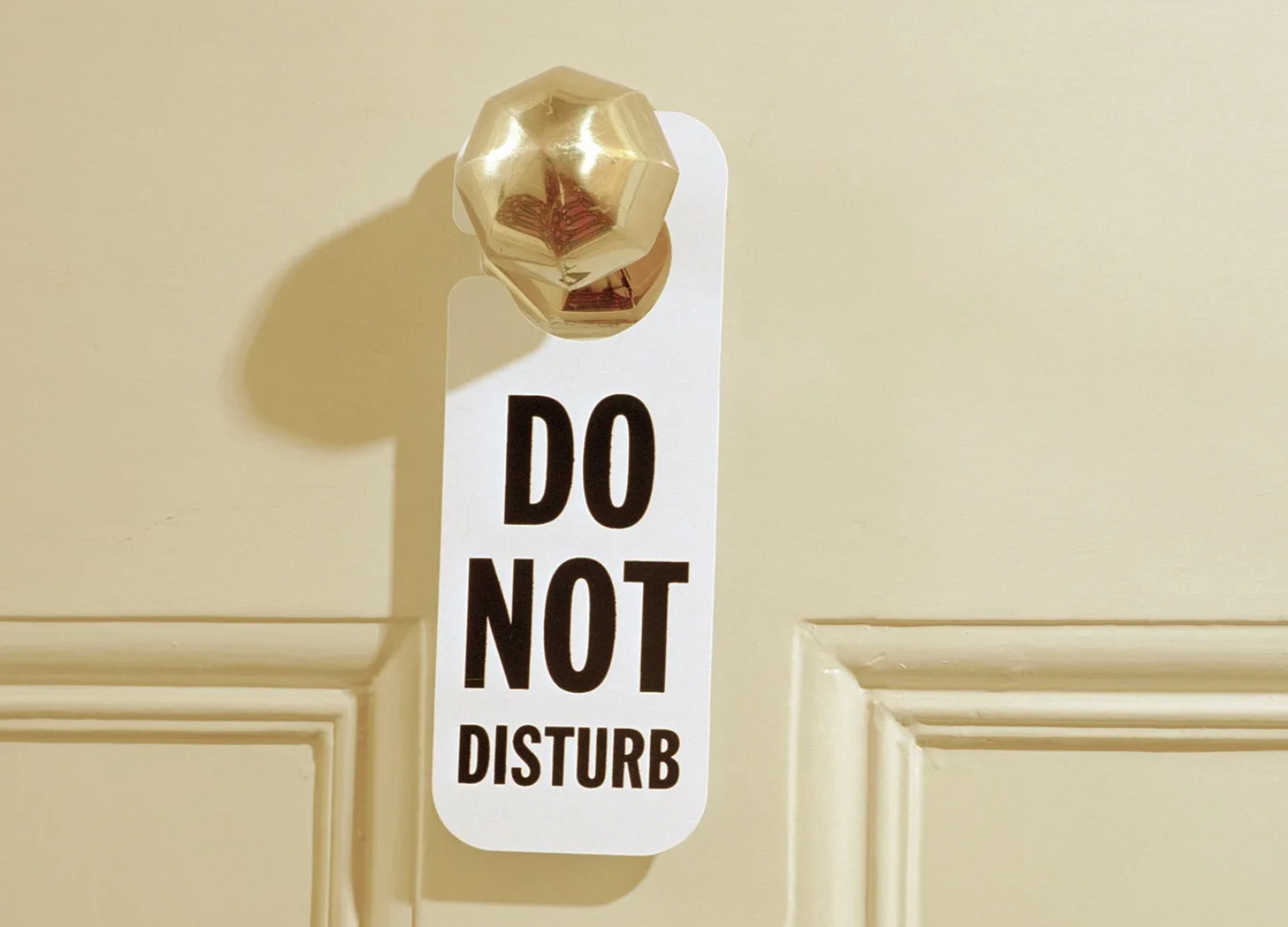
Professional Phrases to Use
Here are several courteous alternatives to saying “do not disturb” in a workplace setting:
- “I’m currently focused on a deadline—can we touch base later?”
- “In the middle of something right now, but I’d be happy to connect afterward.”
- “Could we schedule a time to chat? I’m heads-down at the moment.”
- “I’m working on something time-sensitive—can we talk after [specific time]?”
- “I have my focus time blocked—let’s connect afterward.”
Using Visual Cues
Besides verbal communication, visual indicators can help set polite boundaries in a shared workspace:
- Desk signs or flags that say “Focus Time” or “In the Zone”
- Noise-canceling headphones as a non-verbal cue
- Online status set to “Do Not Disturb” or “Busy” on communication platforms
- Calendar blocks labeled as “Deep Work” or “Focus Block”
Email and Chat Auto-Replies
Automated replies are helpful for virtual communication when you need to be left undisturbed:
“Thanks for your message! I’m currently focusing on a project and will respond after [time]. If it’s urgent, please [alternate contact or action].”
“I’m in heads-down mode until [time]—will follow up as soon as I’m free. Appreciate your patience!”
Encouraging Respect for Focus Time
To foster a culture of respect for uninterrupted work periods:
- Communicate your schedule to your team in advance.
- Set expectations around availability using shared calendars or team tools.
- Encourage others to adopt similar practices to improve collective productivity.
Conclusion
Maintaining focus at work without appearing unapproachable is possible with polite and professional language. Using respectful phrases, clear signals, and consistent communication can help create an environment where everyone’s time is valued.
FAQ
What is a polite way to tell coworkers not to interrupt?
Try saying, “I’m working on a deadline—can I catch up with you shortly?” or “I’m in focus mode—let’s talk in 30 minutes.”
How can I signal that I’m busy without saying anything?
Use headphones, desk signage, or update your online status to “Do Not Disturb” to signal you’re focused without verbal interruption.
Is it rude to ask not to be disturbed at work?
Not at all—when phrased respectfully, it’s a professional way to protect your productivity and time.
 Name That Term
Leave a comment