
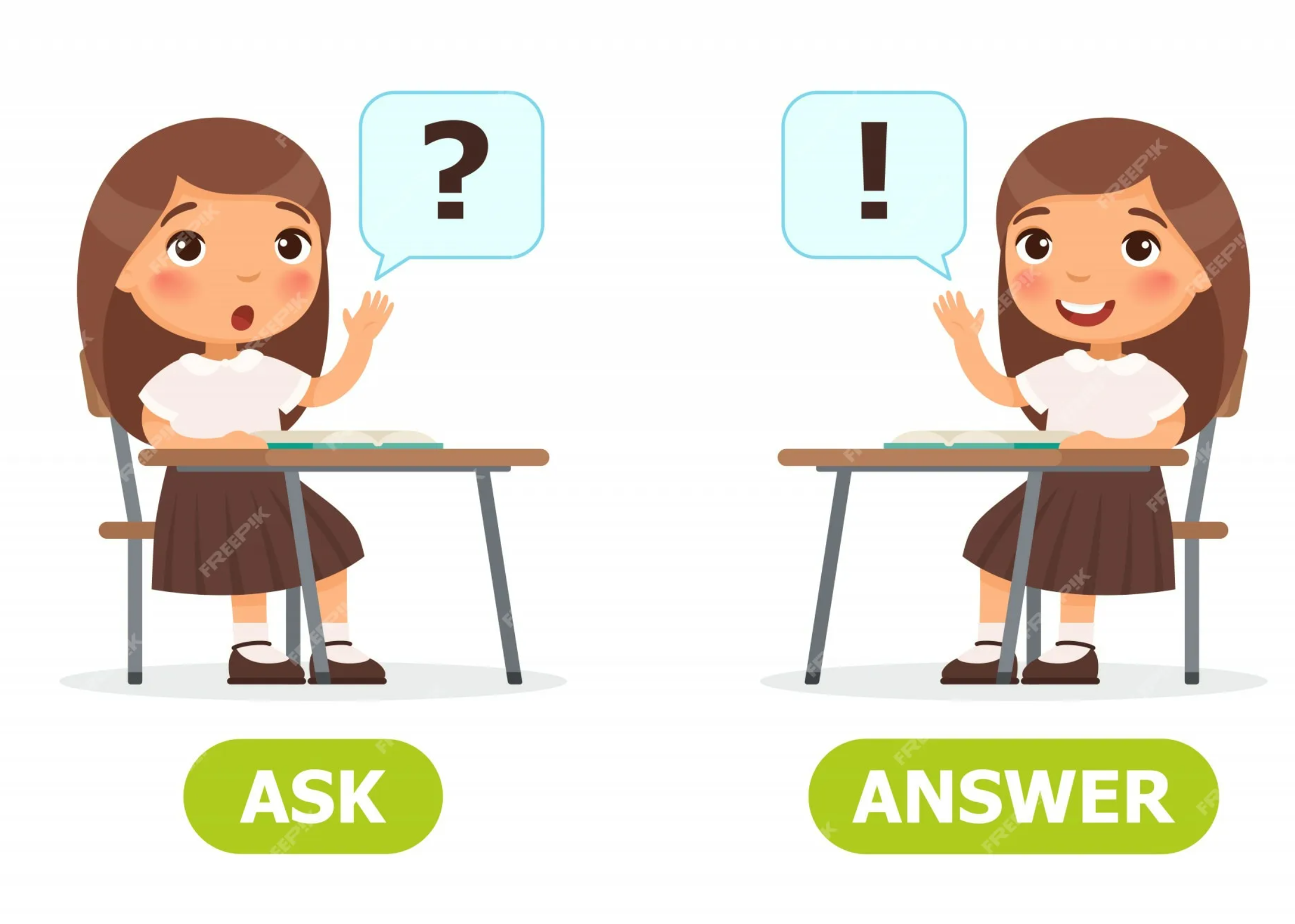
Asking a question you already know the answer to is called a rhetorical question. These types of questions are used for effect, emphasis, or to make a point rather than to elicit an actual response.
Understanding Rhetorical Questions
A rhetorical question is a figure of speech that is posed without the expectation of a reply. The purpose is often to lead the audience to consider a particular point or to provoke thought. For example, someone might ask, “Isn’t it obvious?” when the answer is already clear to both speaker and listener.
Why People Use Rhetorical Questions
- To emphasize a point: Highlighting a belief or opinion.
- To persuade: Guiding the audience toward a conclusion.
- To provoke thought: Encouraging deeper reflection.
- To express emotion: Conveying frustration, sarcasm, or disbelief.
Examples of Rhetorical Questions
| Rhetorical Question | Implied Meaning |
|---|---|
| Who doesn’t want to be happy? | Everyone wants to be happy. |
| Are you kidding me? | Expression of surprise or disbelief. |
| What’s the point? | This seems pointless or futile. |
Common Contexts for Rhetorical Questions
Rhetorical questions appear frequently in:
- Public speaking and persuasive writing – to emphasize an argument or moral.
- Everyday conversation – to express sarcasm or frustration.
- Literature and film – to reveal a character’s thoughts or beliefs.
Conclusion
When someone asks a question they already know the answer to, it’s typically a rhetorical question. This technique is a powerful tool in communication, helping to persuade, emphasize, or stir emotion without requiring a literal reply.
FAQ
Is a rhetorical question meant to be answered?
No, rhetorical questions are not meant to be answered. They are used to make a point or provoke thought.
Can rhetorical questions be used in writing?
Yes, rhetorical questions are common in essays, speeches, and persuasive writing to engage readers and emphasize key ideas.
What is the difference between a rhetorical question and a regular question?
A regular question seeks information or an answer, while a rhetorical question is asked to make a point and does not expect a reply.
 Name That Term
Leave a comment