
Using two words that mean the same thing in a phrase is called a tautology. A tautology in language refers to the redundant or repetitive use of words that convey the same meaning, often within the same sentence or phrase.
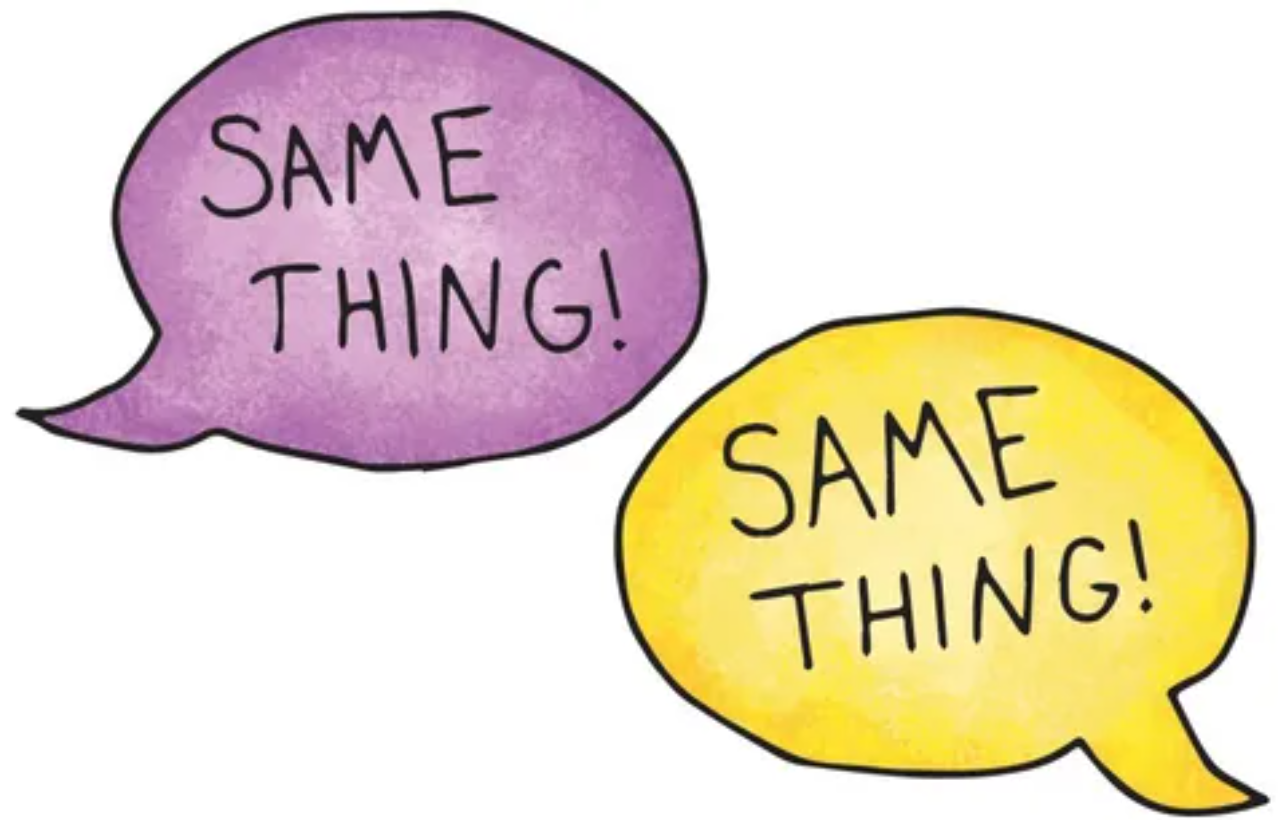
Understanding Tautology
A tautology occurs when a speaker or writer uses synonymous words together, either for emphasis or unintentionally. While it can be stylistically effective in some cases, overuse may weaken writing or speech.
Common Examples of Tautologies
- “Free gift” – All gifts are inherently free.
- “ATM machine” – The ‘M’ in ATM already stands for ‘machine’.
- “End result” – The result is always at the end.
- “Repeat again” – ‘Repeat’ already implies doing it again.
Why Tautologies Occur
Tautologies often occur due to habits in everyday speech or for rhetorical effect. In advertising and persuasive writing, tautologies are used to emphasize a concept or make language more memorable. For instance, “true fact” may seem redundant but adds an emotional punch.
When Are Tautologies Useful?
While generally avoided in formal writing, tautologies can be used deliberately for stylistic or poetic purposes. For example:
“It was a dark and stormy night…”
Here, “dark” and “stormy” may both imply ominous weather, but the repetition deepens the mood.
How to Avoid Tautologies in Writing
- Use concise language: Replace redundant phrases with single words that convey the full meaning.
- Edit carefully: Read your writing aloud to catch unnecessary repetition.
- Use a thesaurus wisely: Avoid pairing synonyms unnecessarily.
Conclusion
Using two words that mean the same thing is known as a tautology. While sometimes used for emphasis, tautologies should generally be avoided in professional or academic writing. Recognizing them can help sharpen clarity and precision in communication.
FAQ
What is a tautology in grammar?
A tautology in grammar is the use of words or phrases that repeat the same idea unnecessarily, often leading to redundancy in speech or writing.
Is tautology always wrong?
No, tautology is not always wrong. It can be used intentionally for emphasis, poetic effect, or rhetorical clarity, though it’s best used sparingly.
How do I identify tautologies in my writing?
Look for phrases where two or more words convey the same meaning. If removing one word doesn’t change the meaning, it’s likely a tautology.
 Name That Term
Leave a comment